


Making home working smart, too
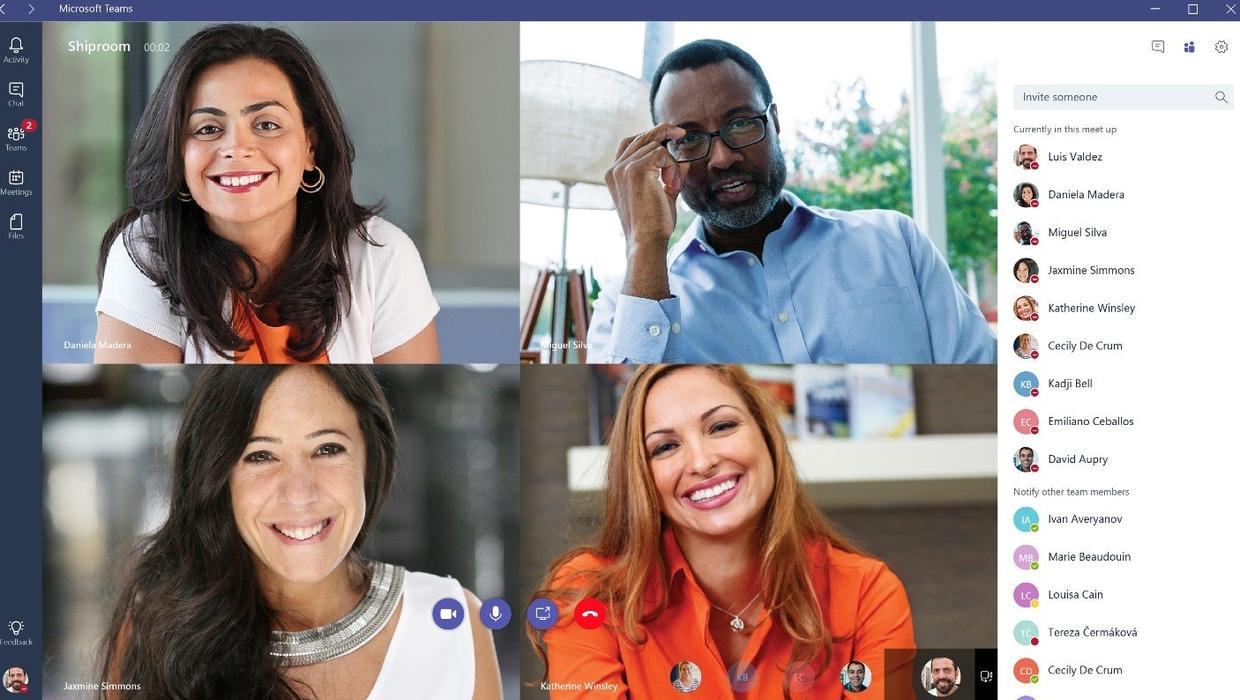
Coronavirus has forced us into remote working, but it is often far from “smart”, and we should more humbly call it teleworking (in the hope that it turns into tele-value).
While the rest of the world calls it “home working,” we wanted to make a quantum leap overnight, shifting from “everyone in the office, always” to “smart working.” Many organizations we work with admit they are not yet ready for mass smart working, not so much from a technological standpoint, but rather from an individual ergonomic and managerial one.
More of a hardship than an opportunity right now
Tips on how to work remotely have exploded online and across social media. We did the same by drawing from our own repertoire,without reinventing the wheel, as it is simply a matter of applying the key principles of our Lean Lifestyle® methodology.
Personally, I have read about some very interesting experiences and sensed a genuine desire to help others during these difficult times, conveying the message “let’s turn a problem into an opportunity,” a well-known saying among change management professionals. While this is a commendable hope, smart working right now is more of a necessity. For most people, it is experienced as “a hardship, but a manageable one,” according to data from an SWG survey. The poll was conducted between March 11 and 13, just after the government declared the entire Italian territory a lockdown zone, among a sample of 800 remote workers.
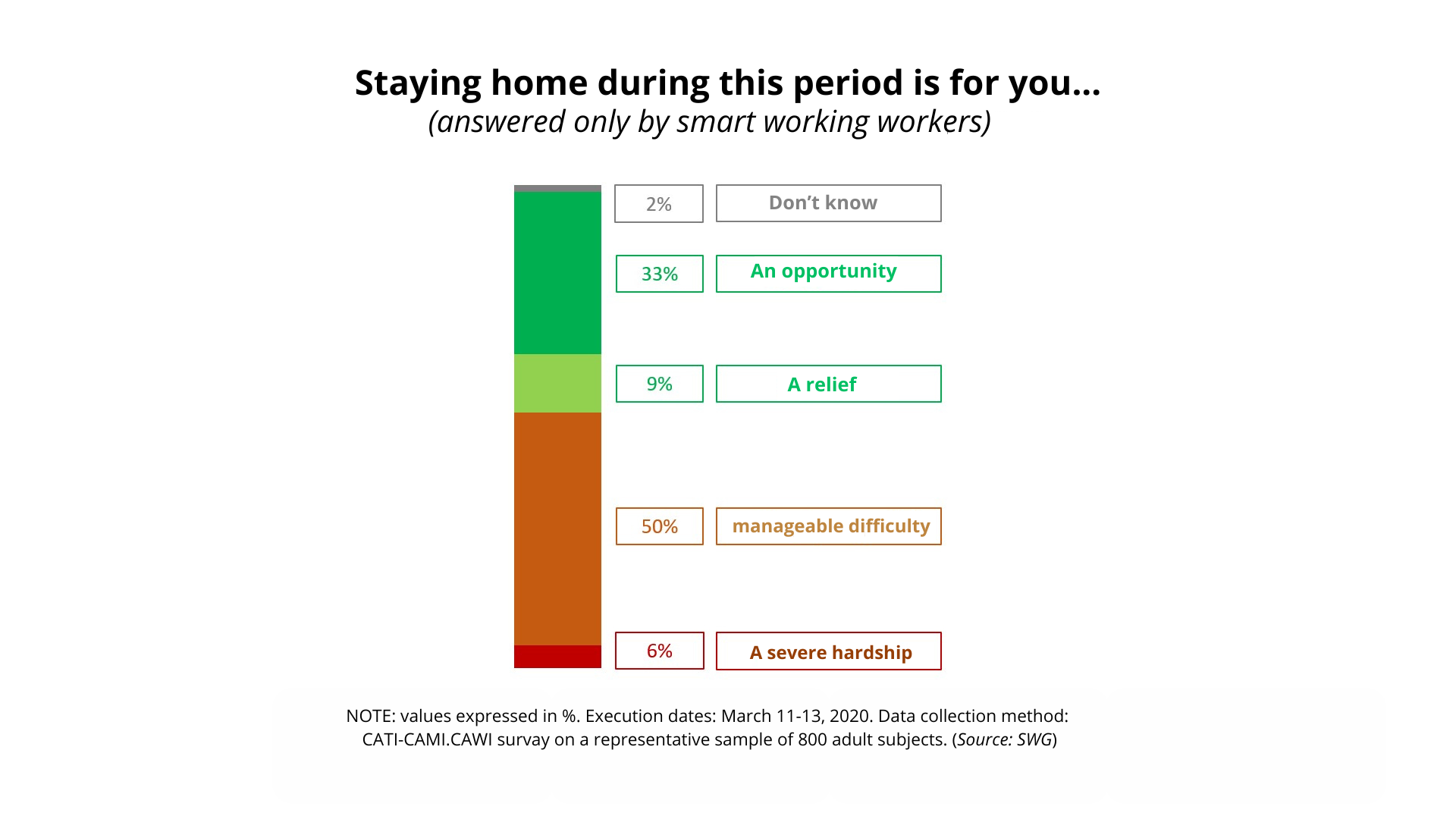
Well-being and Smart working (planned vs. improvised): there is a clear link!
Moving away from opinions and looking closely at actual results, the most interesting research conducted in Italy is an experiment by the Bocconi University’s Dondena Centre, as part of the European project Elena (Experimenting flexible Labour tools for Enterprises by eNgaging men And women).
This was a randomized controlled trial involving 300 employees of a large Italian company that had never previously implemented flexible working arrangements. The study compared two uniform, randomly selected groups. One group was “treated” for nine consecutive months with one day of remote work per week and total schedule flexibility. The study measured the before-and-after impacts on both employee productivity and well-being.
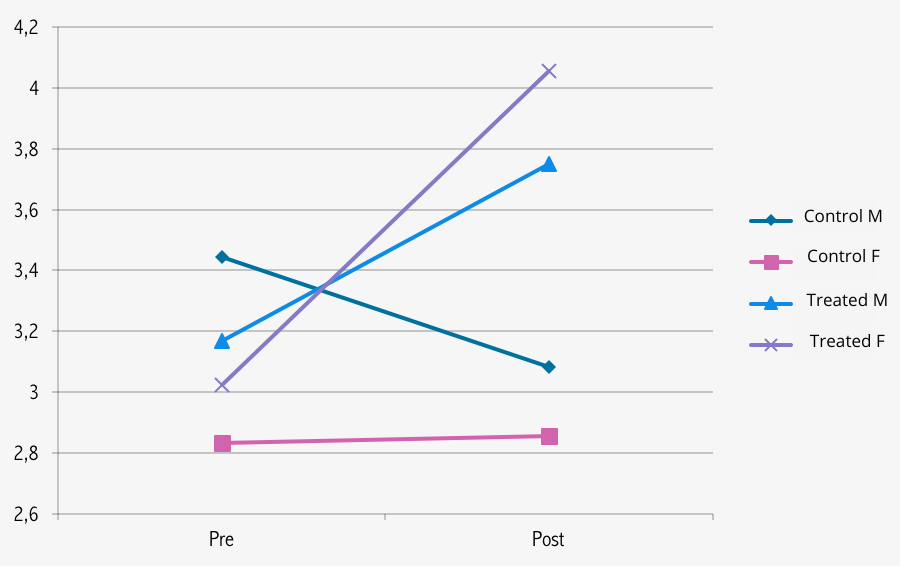
Well-being certainly increased, and significantly so, compared to those who did not experience flexibility (as shown in the chart). But what happened to productivity? Although we do not have access to the raw data of the experiment, which discloses neither the industry nor the exact methods used to measure productivity, the published chart seems to provide glaring evidence, even if it wasn’t explicitly highlighted by the researchers: the leap in productivity for both groups happens simultaneously!
On a scale of 1 to 5, both groups started below 2.8 and finished around 3.1 to 3.2.
This begs the question: what happened that could have driven a 10% increase in productivity for both groups? Was new technology introduced? Were new processes implemented to eliminate waste? Was there a peak in demand that pushed them to full capacity?
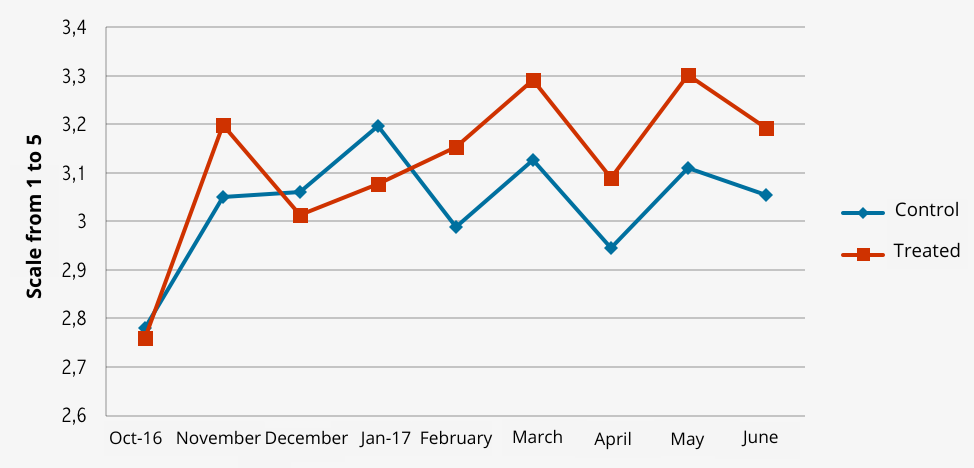
The researchers tell us that there are no significant differences in productivity between the two groups, but there certainly are over the course of the nine months, I would argue. This raises the suspicion that what made the difference was the measurement of productivity itself, and the subsequent attention given to the employees. If so, this would merely reaffirm a well-known phenomenon in psychology known as the observer effect (see the Hawthorne Effect).
After all, “you get what you measure,” goes the managerial adage of continuous improvement, and this must have played a role in the smart working research as wellThese readings, along with the concerns we have gathered in recent days from managers grappling with leading their teams, suggest that we are still a long way from optimal performance management for the 16 million office workers.
Results-Monitoring-Feedback
Among the tips circulating online, and that we at Lenovys also share, many remind us of how crucial it is to manage people by objectives. The issue, however, lies in defining exactly what an objective is. “I set an objective to find a new expense reporting tool for employees,” I heard an HR manager say recently. Is that really an objective?
An objective must be expressed in numbers, but to have numbers, you need key indicators that are regularly updated through data collection. Furthermore, to get people to “react” to these numbers, organizational routines must be established to keep these responsibilities alive and cascade goals down to an individual level, complete with performance review and feedback processes. These are all recommendations you are likely already familiar with. However, if you haven’t taken the time to ground them in reality, managing the performance of remote employees today will be a bit more challenging, especially if they have been accustomed to micro-management and close supervision. It is not a matter of trusting employees, but rather of habit and managerial capability: assigning results-monitoring-giving feedback, assigning results-monitoring-giving feedback, and so on.
Therefore, we must leverage this historic moment to force ourselves to do it, even though baby steps: let’s meet virtually every morning, set deadlines, delegate tasks precisely, review them punctually, and provide feedback (even publicly). And – perhaps – let’s start taking notes on the assessments given to others’ work, to build a more objective foundation for our future performance reviews.
.
Start involving frontline employees
When we reshape our strategy or production processes, we must involve frontline employees. We need their ideas and buying-ins to make changes more effective and seamless.
At Lenovys, we help numerous companies define – and, above all, execute – their 3-to-5-year strategies. Working together, we break down strategic objectives into projects with a one-year horizon. We insist that these projects be assigned to individuals who do not necessarily hold a managerial title on the organizational chart or a PMP® certification, but who can learn by doing it under the guidance of a mentor. In Japan, this is called Hoshin Kanri; in the English-speaking world, it is known as Strategy Deployment.
Inherent in this methodology is the ability to achieve consensus on goals by negotiating them with project leaders. Nothing is handed down from above. Instead, there is a “negotiation” across different hierarchical levels and functions, with the sole guiding light being the realization of the mission or vision, rather than individual interests.
Lately, we have been working with those same clients to understand which of those projects are still relevant, and which ones can still deliver on those strategic goals soon, given that the future is no longer what we imagined just a short while ago. There are businesses built around large gatherings that will have to change how they attract and manage customers (think of sports and cultural events), but we don’t yet know how. There are factories where people work “shoulder to shoulder” and will need to increase the distance between operators to restart. They might have to learn to cover two workstations, introduce shifts to reduce crowding, or adopt hygiene habits they never previously felt the need for. We do not yet know how Covid-19 will allow us to live, though, looking at the Chinese case and what epidemiologists are saying, we are almost certain that the return to normalcy will be long and progressive, with “stop-and-go” periods always lurking around the corner.
Just as our experience in ordinary times has taught us, we do not believe that an organization’s management alone has the bandwidth to gather all the data, process it, and generate a “multi-scenario” strategic plan. At this moment, we believe management must have the courage to listen to data-driven analyses conducted by others, even if they contradict their own perceptions. They must choose which 2 or 3 probable scenarios to prepare for and then delegate the respective action plans to their teams, reviewing them together and probing for potential risks, while knowing they must appreciate their employees’ efforts even if a specific plan is never implemented. After all, it will depend neither on them nor on us which scenario we will end up playing out. By doing this, once our new way of life becomes clear, the organization will be ready to seize new opportunities (or slip through new openings).
“But they don’t even know how to draw a circle with a glass, how can I trust them with a project?” is the fear some directors confess to us when we challenge them to assign tasks to people they might not fully hold in high esteem.
It takes courage to expose oneself to the risk of someone making a mistake or holding different ideas. As leaders, are we ready to manage dissent? As managers, are we ready to delegate? Or are we simply too attached to the equation: “management sets the direction”?
Guiding our employees’ learning curve
What skills and abilities are necessary right now during this emergency, and which ones will be needed in the post-Covid-19 era? This question applies not only to our employees but to ourselves as well. A Lean Leader should always have a clear understanding of the gaps that separate their team members from excellence. If no such gaps exist, they should have the vision to foresee which skills will be required to tackle future challenges.
Consequently, an individual training and development plan needs to be redesigned for every employee.
To work smart, you must become smart: smart in delegation, focus, decision-making, time and team management, smart in simplification, and smart in innovation and its governance.
You could start training right away, and perhaps with our help: Lenovys is joining the Digital Solidarity campaign and offering free access to its Smart Academy for one month.
Article written by:
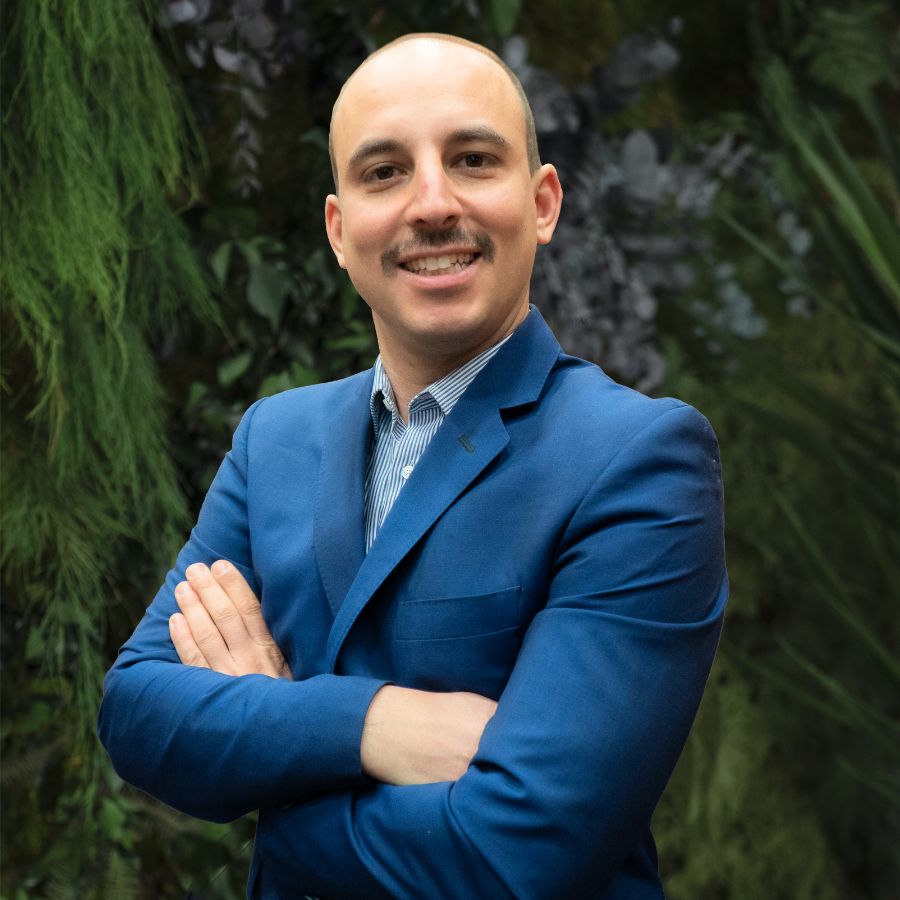
Alessandro Valdina
Principal
His academic background spans Communication, Finance, and Applied Behavior Analysis. His areas of expertise cover Reorganizations, Change Management, Strategy Deployment, Lean Office, Performance Management, Leadership Development, and Training Technologies.
Having joined Lenovys in 2017, he is active in management consulting, corporate training, and public speaking. Since 2025, he has been producing “Io so’ io e voi non siete…” (“I am who I am and you are not...”), a newsletter and podcast exploring the relationship between power and corporate organization in Italy, offering Lean and Agile insights for improvement.
Read more

Upcoming events