





Pricing strategies in times of crisis

We are experiencing a unique situation in the wake of the COVID-19 pandemic, with profound impacts on companies, people, and the way we do business. This crisis is creating a level of uncertainty rarely seen in economic history recently or otherwise. Therefore, it is of fundamental importance for businesses to understand how to protect and increase revenue, rather than focusing solely on containing or reducing costs.
The ability to drive top-line growth and profitability will be the differentiator between industry leaders and followers, significantly widening the gap in performance and long-term financial sustainability among companies.
I do not believe that what we are experiencing right now can be classified as a standard global economic recession; rather, it can be defined as a systematic cardiac arrest of the entire global economy.
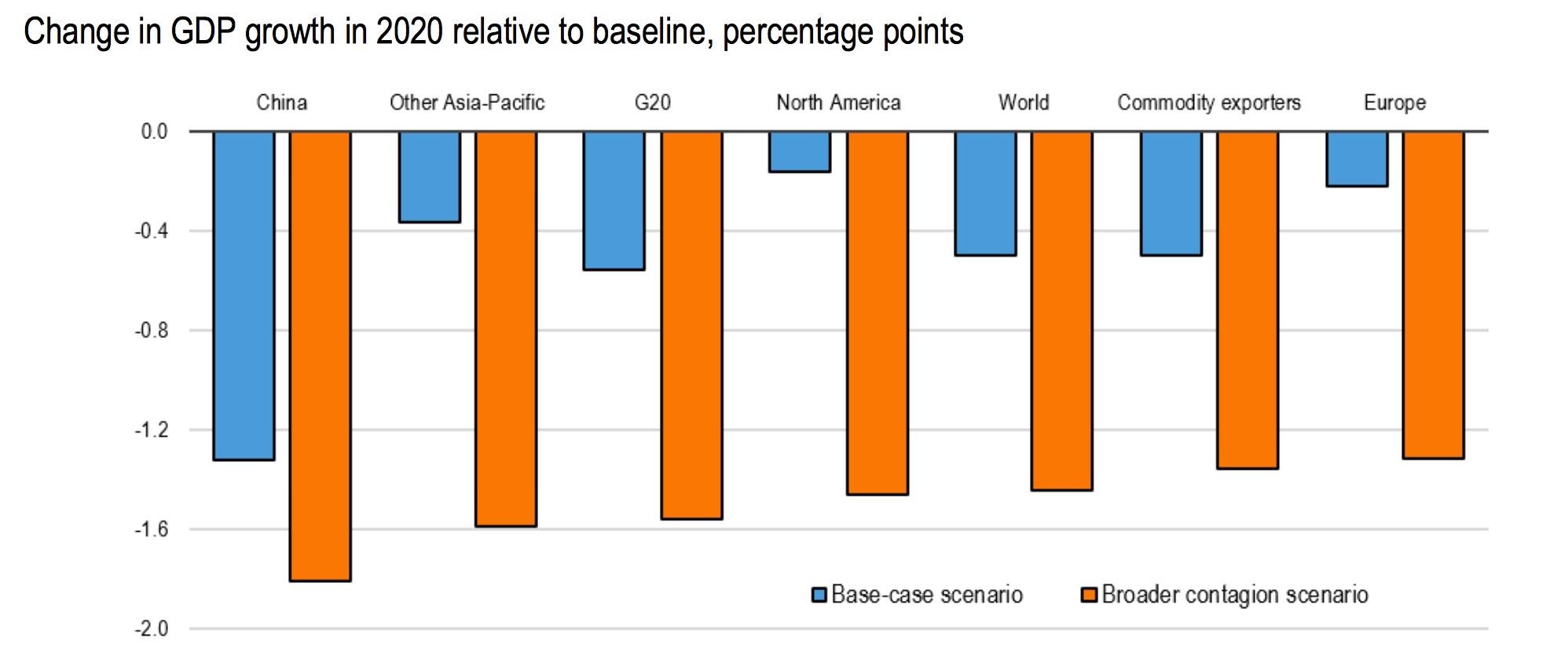
The forecasts for 2020 are not encouraging: the OCSE predicts, in a two-scenario statistical model looking at both optimistic and pessimistic spreads of the virus – a widespread economic depression, with China’s GDP growth bordering on a negative 2%.
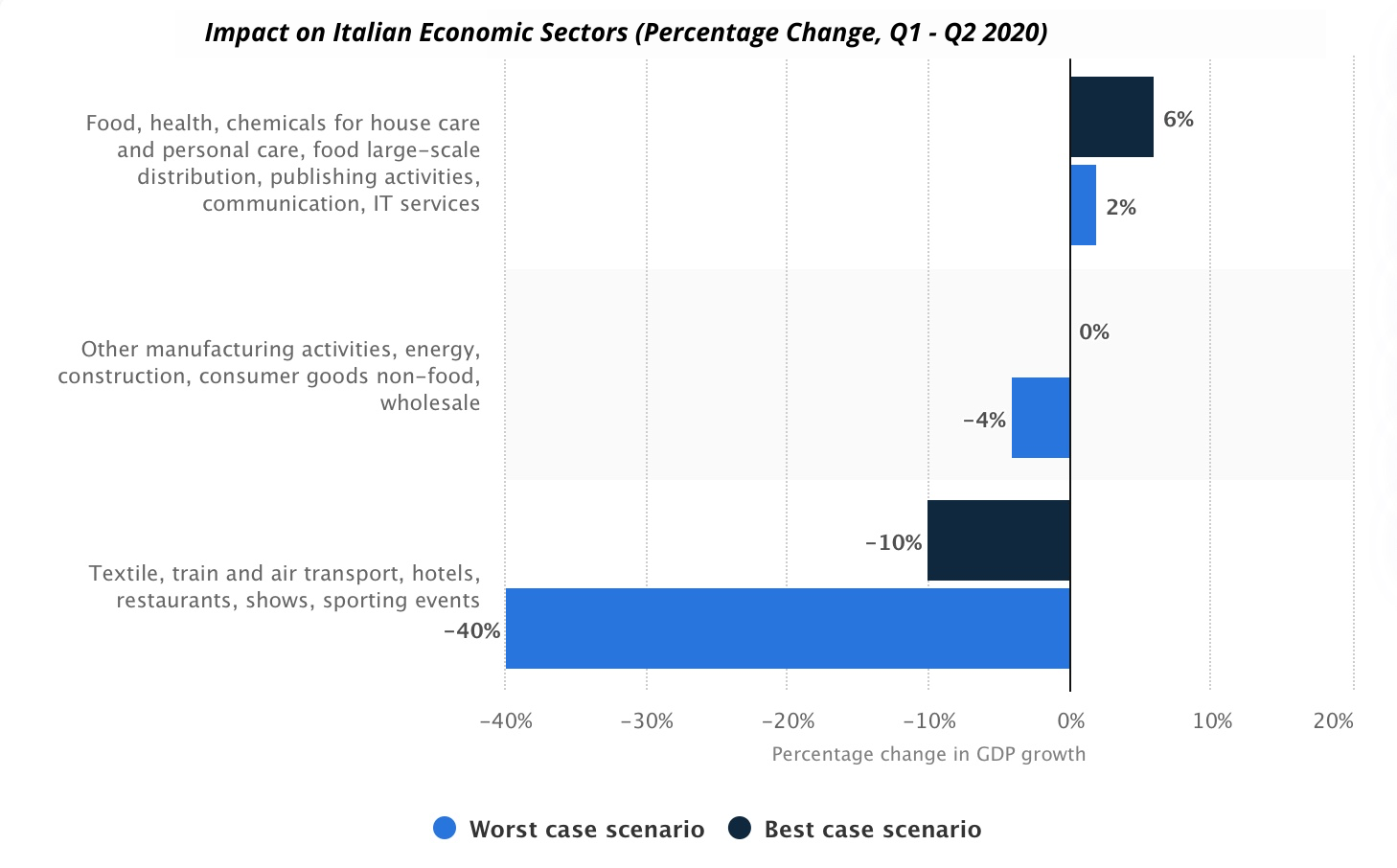
For Italy, according to evaluations by REF Ricerche, the epidemic – and above all, the measures adopted to contain it – will cause a short-term contraction in GDP of between 9 and 27 billion euros, depending on the assumptions made regarding the extent of losses (and gains) across different sectors.
Executing the pricing strategy
“Managing the crisis, rather than letting the crisis manage you” becomes the new imperative for companies that want to seize opportunities and pursue excellence in a rapidly changing world, overcoming the challenges brought on by this pandemic.
Proactively executing a pricing strategy that protects the business modeling terms of revenue and profitability, can minimize the impact of today’s shifting market conditions and prepare the company for the post-COVID-19 “new normal”.
There are three sequential steps, aligned with the evolution of the crisis, that a company must take to effectively manage its pricing strategy:
1. During the crisis: tight control over the sales system;
2. At the end of the crisis: targeted actions to capture market share and margin;
3. Once the “new normal” is reached: preparing the company for growth.
1. During the crisis
Reviewing strategic pricing objectives is necessary to best navigate the current contingency. Companies must imperatively defend their market share (rather than sales volumes), maximize margin opportunities, and focus on retaining existing customers instead of trying to acquire new ones at all costs.
Specifically, during a recession, a decline in overall industry sales volumes could cause a drop in the volumes of individual companies operating within them. This can tempt businesses to cut prices to win back lost volume, triggering competitive, systematic price reductions that quickly spiral into destructive price wars where no one wins. The key is to ensure that pricing decisions are made with a balanced eye on both the tactical situation at hand and the long-term undesirability of a competitive price-cutting response. This requires companies to monitor and improve the execution of their pricing strategy to uncover margin opportunities and ensure pricing decisions are made from a strategic perspective. By analyzing the sales and (if applicable) negotiation processes, companies can implement several actions, including:
- Identifying customers outside acceptable price bands and developing sales plans to bring them back into the desired range.
- Reducing price variability for each account.
- Realigning decision rights within the sales process to avoid unnecessary discounts.
- Driving higher profitability through a ‘real-time’ monitoring system of pricing performance.
2. At the end of the crisis
After responding to the crisis by revising short-term pricing objectives and executing aligned tactical actions, companies must pivot toward targeted initiatives to capture higher sales volumes and market share, ensuring the long-term sustainability of their business.
We can identify two primary tactics to implement:
- Accommodating customers ‘under pressure’ due to the crisis by offering lower-value or lower-priced products / services compared to the standard
During a downturn, customers may be driven to purchase lower-priced products or services due to tighter budgets, a wider range of options from actively seeking budget-friendly suppliers, or necessity-driven buying decisions. Companies can respond by identifying which customers are most at risk of defection and developing tailored, unbundled offerings to counter the competition. Alternatively, they can identify the cost drivers their customers face and design specific promotions to encourage buying and alleviate these costs during demand drops (for instance, introducing dedicated discounts to nudgeoptionals toward ‘low-cost’ product options, a strategy used by many airlines that offer lower fares on selected routes only for online purchases).
- Capturing market share by leveraging competitive advantage
There are times when challenging competitors head-on makes sense, but only if you have the weapons to win. When a company holds clear competitive advantages, it can opportunistically exploit the crisis period to defend and acquire market share. For example, it can use cost advantages to price competitors out of the market, promote low-priced alternatives against premium brands that cannot risk discounting without undermining brand equity, or use bundling to combine high-value, low-cost products and services to stimulate demand.
Focus: Bundling and Unbundling
Bundling and unbundling techniques are tools a company can use to create value for different types of customers without requiring the creation of new products and/or services. By combining various offerings into different configurations, a business can deliver exactly what its customers demand.
Bundling consists of combining multiple smaller offerings into a single, comprehensive offer. A classic example of bundling is in the mobile phone industry, where a handset (a physical product) is paired with a monthly service plan (a subscription) for a single price. Similarly, ‘buy one, get one free’ deals at the grocery store are a form of bundling.
Generally, the more offerings included in the bundle, the higher the perceived value, allowing the company to command a higher price.
Unbundling is the exact opposite of bundling: it involves taking a single offering and breaking it down into multiple distinct components.
A clear example is selling individual songs from an album rather than forcing the purchase of the entire album. Customers might be unwilling to pay, for instance, 10 euros for a full album, but they might gladly pay one or two euros for the specific tracks they love.
Breaking the album down into individual units unlocks sales that otherwise would not occur.
3. Once the “new normal” is reached
As the market or industry begins to settle into its new economic landscape, the company must consider multiple growth vectors and build a portfolio of targeted actions. These must balance the execution of the pricing strategy within this ‘new normal’ with newly emerging opportunities.
For instance, while a company might tactically deliberate on how to win back clients lost during the crisis or how to increase prices in response to an economic rebound, from a strategic perspective, it should consider launching new solutions for customers and entering new market segments. We must ensure the business is prepared for the ‘new normal’ by equipping the organization with the right tools, capabilities, and data analytics to support both the pricing strategy and its execution. If implemented correctly, this phase should leave the sales organization more focused and effective at driving revenue and margin growth for the company.
Preparing for growth
The current recession is testing many companies from multiple perspectives. Sustaining the business model by securing short-term revenue and profitability and designing, then implementing a pricing strategy aligned with the new market requirements is vital for any company looking to remain sustainable over time and achieve business excellence. Pricing strategy and the business model are key components of the corporate ecosystem, which is currently engulfed in a unique situation following the COVID-19 pandemic. At Lenovys, we have developed a survey to guide entrepreneurs and managers through a process of reflection on the changes underway, the actions companies could implement to address them, and the skills and capabilities needed to be prepared for the “new normal”.
Click here to learn more and take part.
Article written by:

Riccardo Siciliani
former Manager Lenovys
He is a Manager in the Delivery Unit Strategy & Innovation at Lenovys, and manages projects related to the definition and implementation of corporate strategies, the innovation systems and application of Lean Product and Process Development principles with clients operating in the manufacturing, food & beverage and financial services sectors.
Read more



Upcoming events